Meet the creatives behind HINE-TE-RĒHIA
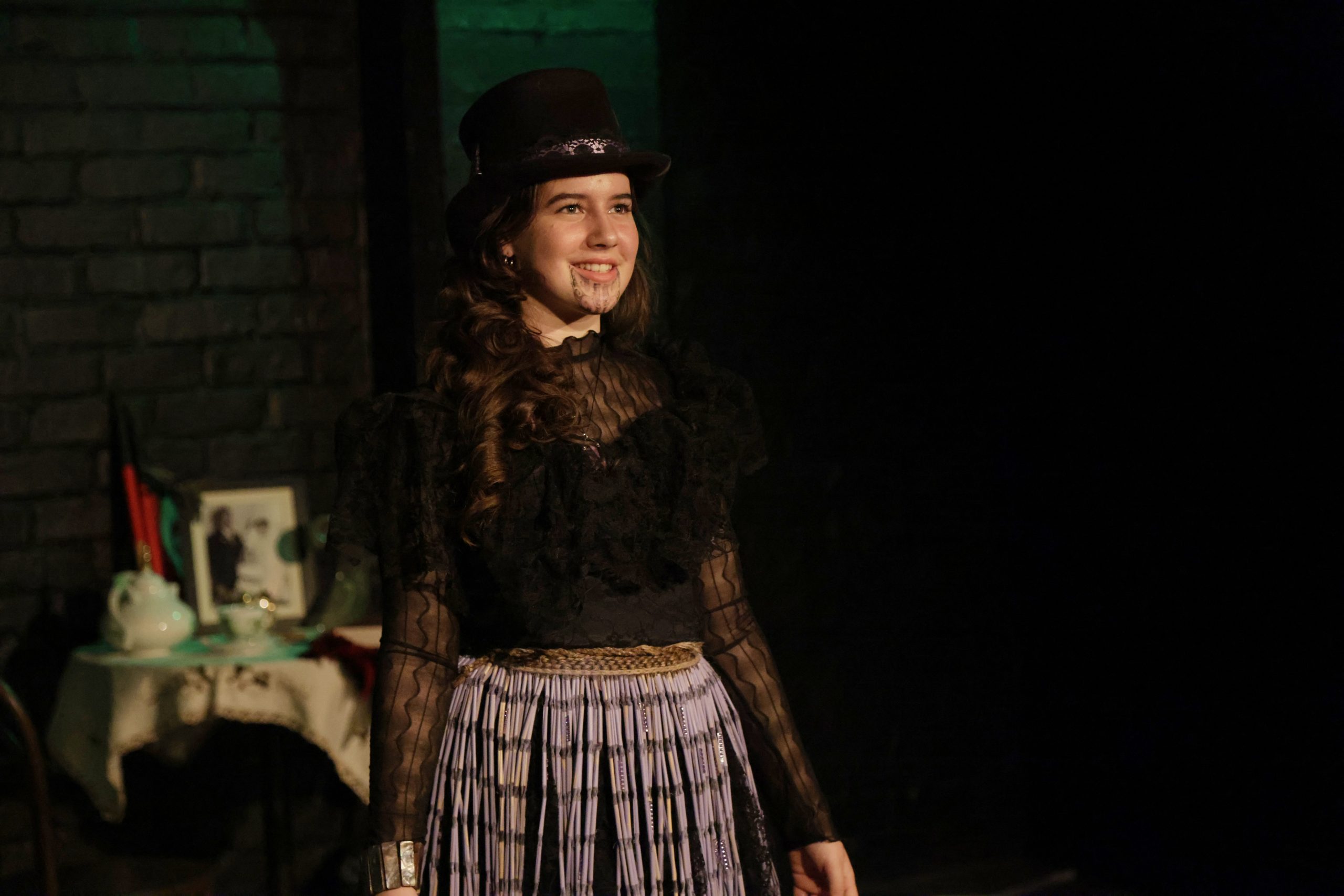
Presented by Tuatara Collective, HINE-TE-RĒHIA is a multilingual theatre experience coming to BATS Theatre in July. Devised, created and performed by an all-female BIPOC cast, this exciting show promises to leave you gasping in awe of their talent.
I had the chance to interview Jason Te Mete (previous deviser/director), Tāwera Ormsby (co-Kaiwhakahaere of Tuatara Collective) and Tia Ormsby (performer). Have a read of my interview, and make sure you get along to the show from July 9th!
EM: Tell us about HINE-TE-RĒHIA in your own words!
TIA: HINE-TE-RĒHIA’s about a group of wāhine toa from different indigenous whakapapa telling stories that need to be told through movement, song and spoken word.
EM: Devising processes in theatre differ between artists — what did the creation & building of HINE-TE-RĒHIA look like for you?
JT: We began the creation and development process of HINE-TE-RĒHIA in 2020, which meant working around and through the challenges caused by COVID-19.
Initially, there was a lot of mahi done on Zoom where the foundations were built, characters developed, and storylines explored. The actors chose an individual colour, and a goddess (from any culture) to anchor their research, and find connections and alignments with the kaupapa and each other.
The actors were able to weave their own narratives into the characterizations to tackle subject matter that mattered to them, using many different mediums like movement and voice, as well as other artforms including writing — poetry, prose and other scripts.
EM: Your show features six young wāhine. What’s it like making theatre with (and to some extent for) rangitahi?
TIA: For me, really fulfilling. It’s not often us rangatahi are given the space for our voices to be heard, so it’s empowering to put ourselves into this work, and share whatever it is we need to say. HINE-TE-RĒHIA to me is like filling the gaps that have been waiting for representation of rangatahi, kōhine and tangata whenua. I also feel like HINE-TE-RĒHIA helps weave together all wāhine and mareikura, like one big girlhood experience.
EM: A “multilingual theatre experience that features singing, dance, haka and authentic storytelling through poetry and original monologues,” is no small feat to create. What have you found challenging while making this work?
JT: Our rangatahi have talent coming out of their ears. Talent galore, and it is glorious. The biggest challenge in my opinion is finding and sustaining adequate funding to be able to provide these platforms for our young and vibrant rangatahi to speak their truth. They are the voices of our future, and we need to enable and help them create new legends, which in most cases involves changing the narratives to place them at the centre, where they can see themselves as the hero, and as atua.
EM: As a theatremaker, I know how challenging it can be to maintain good mental health in an industry that is this changeable, so the work you’re doing in that space is very important. Tell us more about the Rātā Initiative.
JT/TO: We acknowledge that sharing stories about our mental health and wellbeing can be therapeutic and cathartic experiences for artists and audiences alike, so we actively seek to hold space for those stories to be told safely. Through our Rātā Initiative we engage health professionals to work alongside and/or collaborate with us, and bring their knowledge and expertise to each project ensuring the cast, crew and audiences are held with compassion and security. This allows them to feel safe whilst experiencing the stories being shared at all times.
EM: Is there anything you’d like to add about your upcoming show?
TĀWERA: These wāhine are connected to the world in a way that older generations are constantly catching up to understand. The themes in HINE-TE-RĒHIA are personal, celebratory, provocative and political, with a common thread/lens of inclusivity and indigeneity.
The continued and ramped up genocide of the indigenous Palestinian people has ignited disappointment and heartbreak among these wāhine, leading to a Palestinian acknowledgement piece being added to this season.
The show also addresses climate change, women’s rights — especially around their bodies and consent, misogyny, sexual harm and trauma, and racism and the layers of intergenerational trauma caused by colonisation.
HINE-TE-RĒHIA is being performed at BATS Theatre in Pōneke/Wellington 9–13th July at 6.30pm. Tickets range from $15-$40. Get yours here.