New-ish at the Movies: Kick-Ass 2, The Mortal Instruments: City of Bones, Much Ado About Nothing & Frances Ha
There has been much discussion in the circles in which I move about the quantity of films released to local cinemas. Not only are there too many films coming out every week – too many for each one to generate much heat at any rate – but the ones that are coming out aren’t always the right ones. Smaller distributors are pushing everything they have into the system regardless of their potential and some of the majors – with bigger marketing budgets and overheads to worry about – are ditching their arthouse and mid-range titles and pushing them straight to home video.
[pullquote]Who says Americans can’t do Shakespeare? Nonsense.[/pullquote]At the same time, multiplex screens are full of big budget commercial gambles, with box office estimates based on local history and the hope that Twilight-like lightning might strike twice. See which ones in the list below fit into which category. (Clue: if your film has no hi-res English language poster available online and your only official website is in Japanese, maybe you can’t really support it in NZ cinemas.)
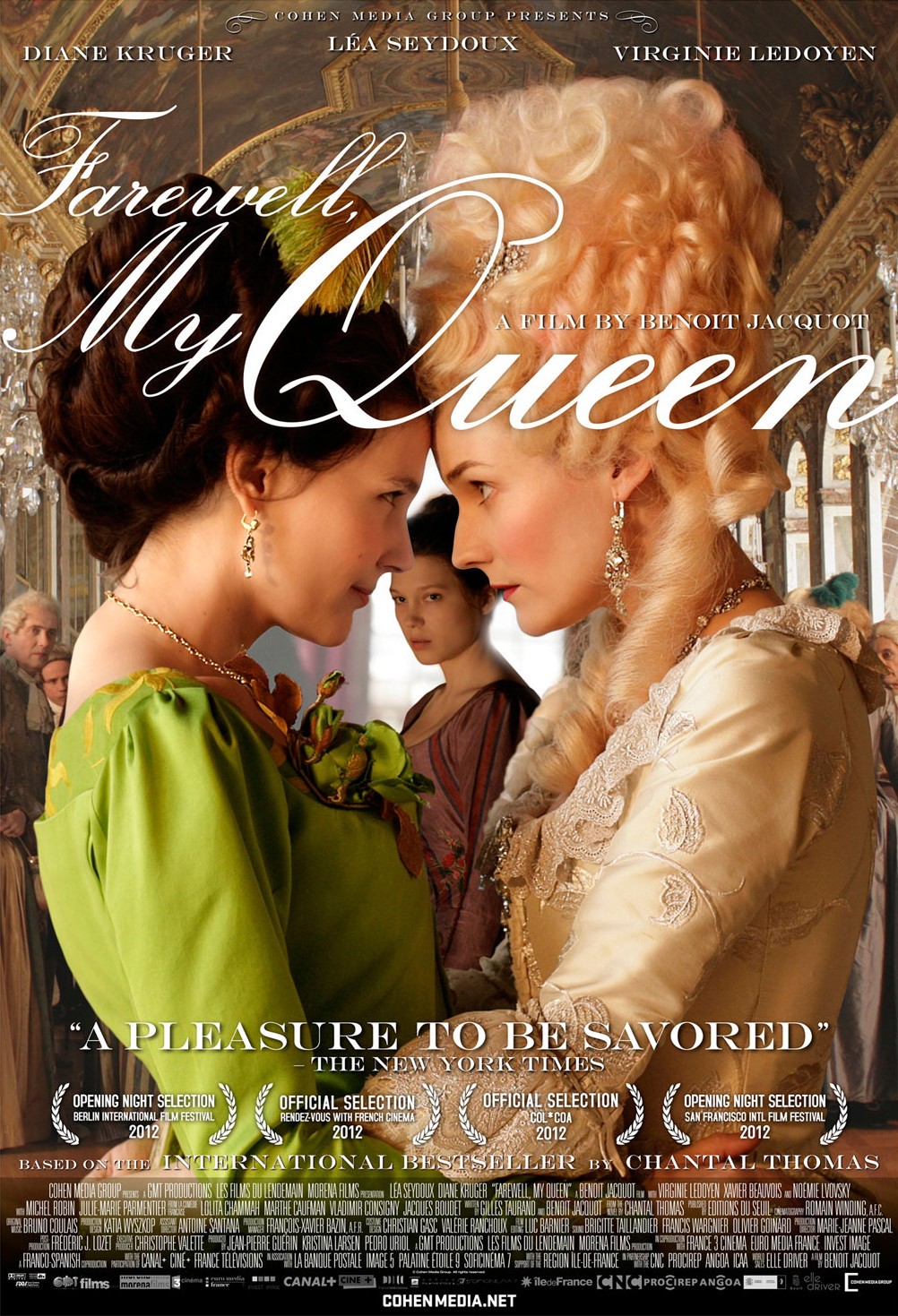 Benoît Jacquot’s Farewell, My Queen goes behind the scenes of Louis XVI and – more specifically – Marie Antoinette’s court during the dark days of the revolution as the regime tottered and fell. We see these events from the point of view of Her Majesty’s book reader, a young servant played by Léa Seydoux. Initially besotted by the Queen (Diane Kruger), her faith is shaken by the revelations of corruption, waste and – intriguingly – Antoinette’s relationship with the duchesse de Polignac (Virginie Ledoyen).
A well-acted history lesson with glorious production design – much of the film was shot on location at the Palace of Versailles and surrounding chateaux – this is a film that responds well to a big screen as intimate relationships are played out on a grand stage. Based on Chantal Thomas’s best-selling novel, Farewell, My Queen is rather more sympathetic to Antoinette than the mob were in 1793.
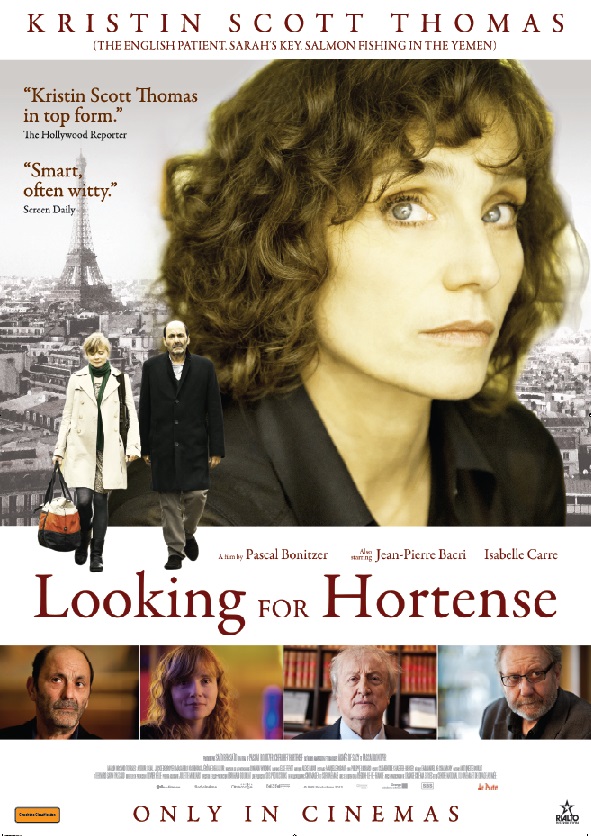 Kristin Scott Thomas’s successful French-speaking career continues with Looking for Hortense in which she plays a thankless supporting role as wife to Jean-Pierre Bacri’s oriental specialist. When he fails to do a favour for a friend of his wife’s sister who is threatened with deportation – and then tries to cover his tracks – the resulting domestic tension threatens to break up his immediate family as well as wreck what remains of his relationship with his father (Claude Rich).
Who is Hortense? That’s the modest mystery at the heart of a nice little mid-life crisis story that is rather more sympathetic to its lost lead than to any of the other characters.
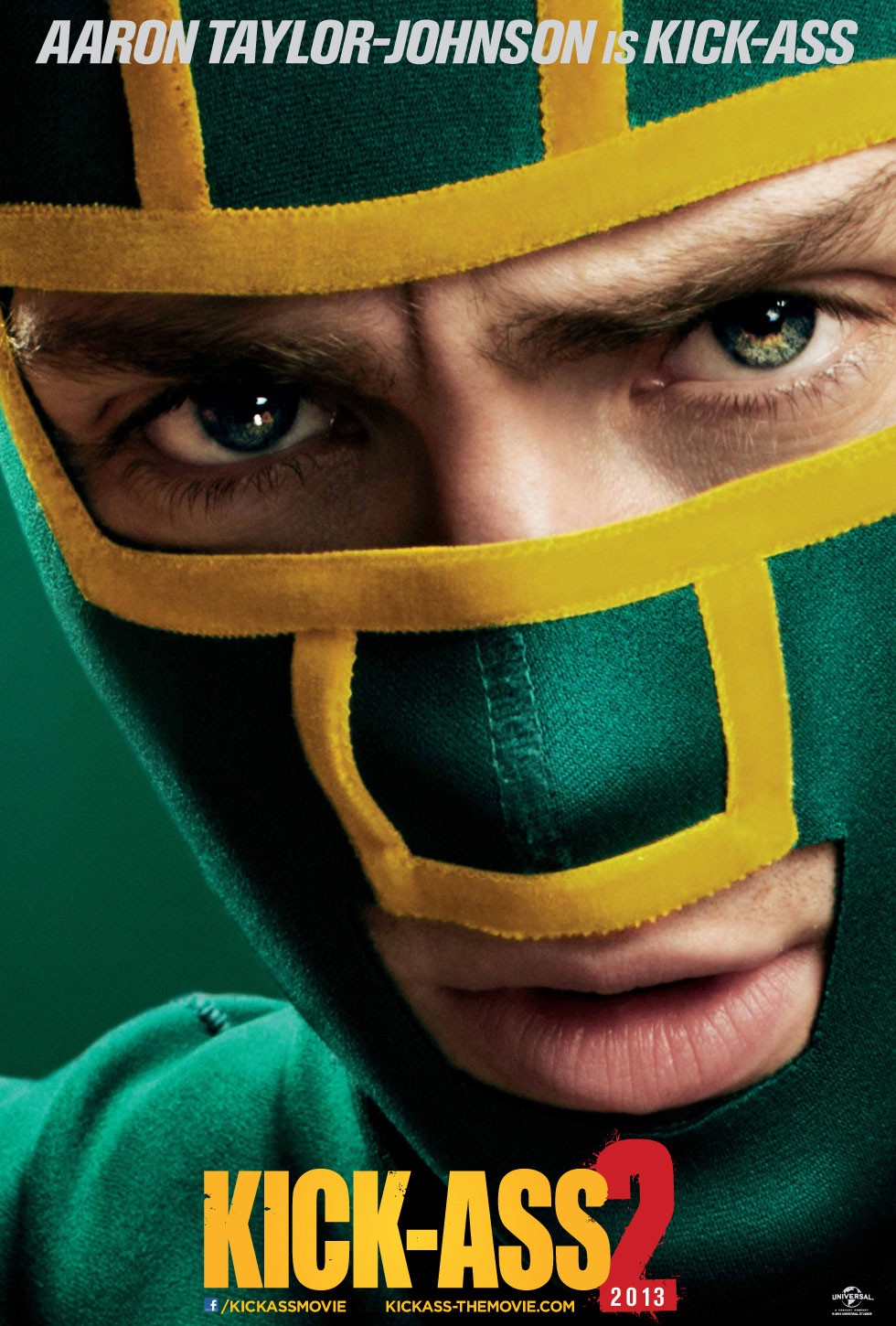 I took a dislike to the first Kick-Ass back in 2010 which seemed to me to wear its misanthrope and crypto-fascism rather too easily but the sequel (originally named Kick-Ass 2: Balls to the Wall) sat a little better. Firstly, Chloë Moretz has grown up a bit and the violence she gives and receives seems less yucky. Secondly, she has come into her own as the most interesting character in the franchise. Thirdly, she’s a become a better actor than Aaron Taylor-Johnson (Kick-Ass) whose performance is as aimless as his character. This Kick-Ass at least seems to know why it hates the world and also manages to thread a nice little subtext about belonging, communities and cliques amongst all the mayhem.
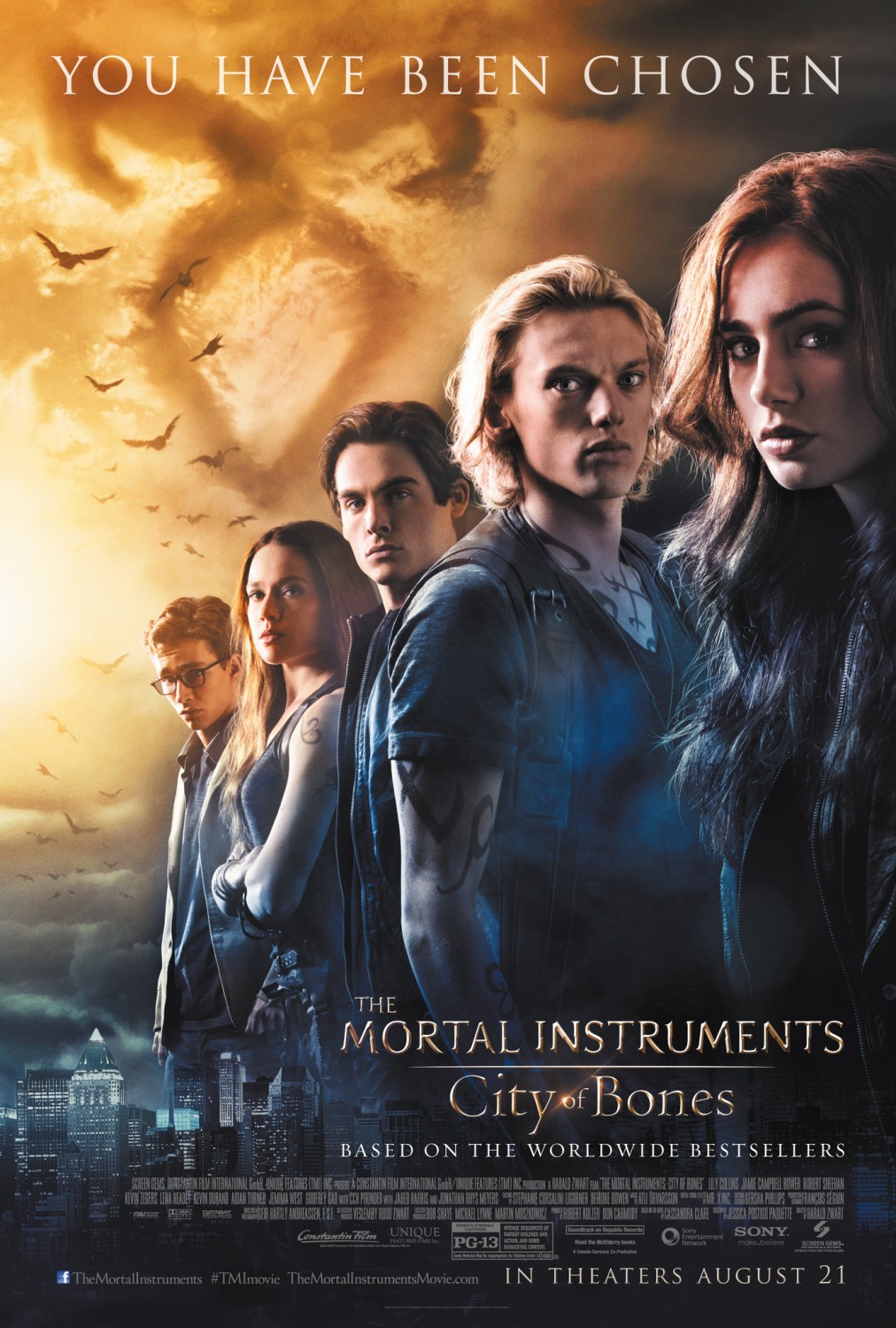 The Mortal Instruments: City of Bones is a pathetic attempt to cash in on the supernatural teen romance genre that has been opening purses for the last five years. Constructed from a checklist rather than a script – and cast more on price than on talent – this is a crappy mess that sells out teen audiences who aren’t yet old enough to know that they deserve more.
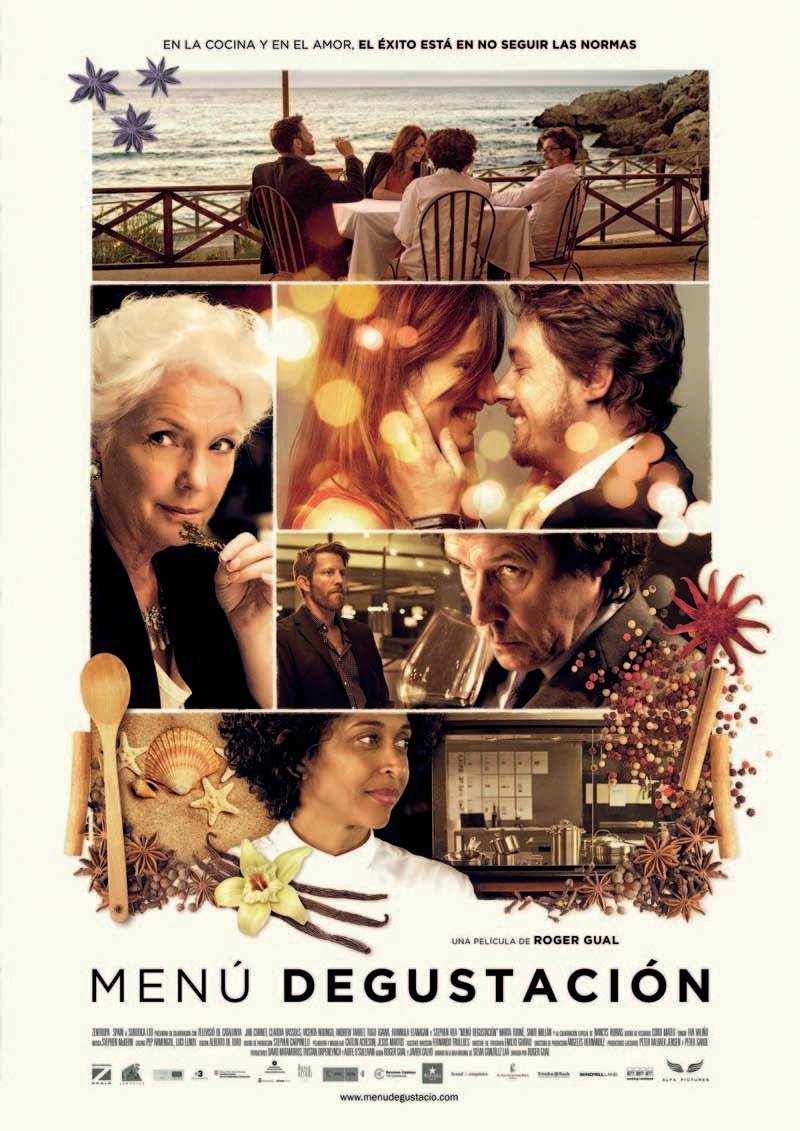 I was also disappointed in Tasting Menu – so much so that I walked out before the end which I never do. A feature set on the last day of one of those famous top end restaurants like El Bulli, where dozens of courses flow inexorably out of the kitchen and each dish is a marvel of chemistry and well as gastronomy. Well, put that saliva away, Tasting Menu isn’t about food. It’s simply an excuse to get a bunch of disparate characters (often lazy stereotypes) together in a room and indulge in the kind of romantic mistaken identity misadventures that wouldn’t be out of place in an English drawing room comedy of the 1950s.
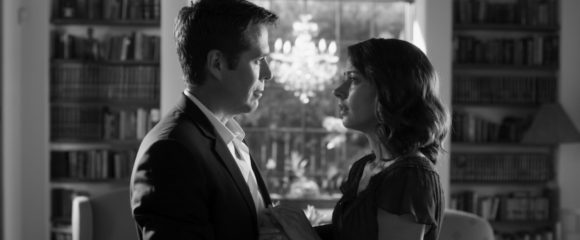
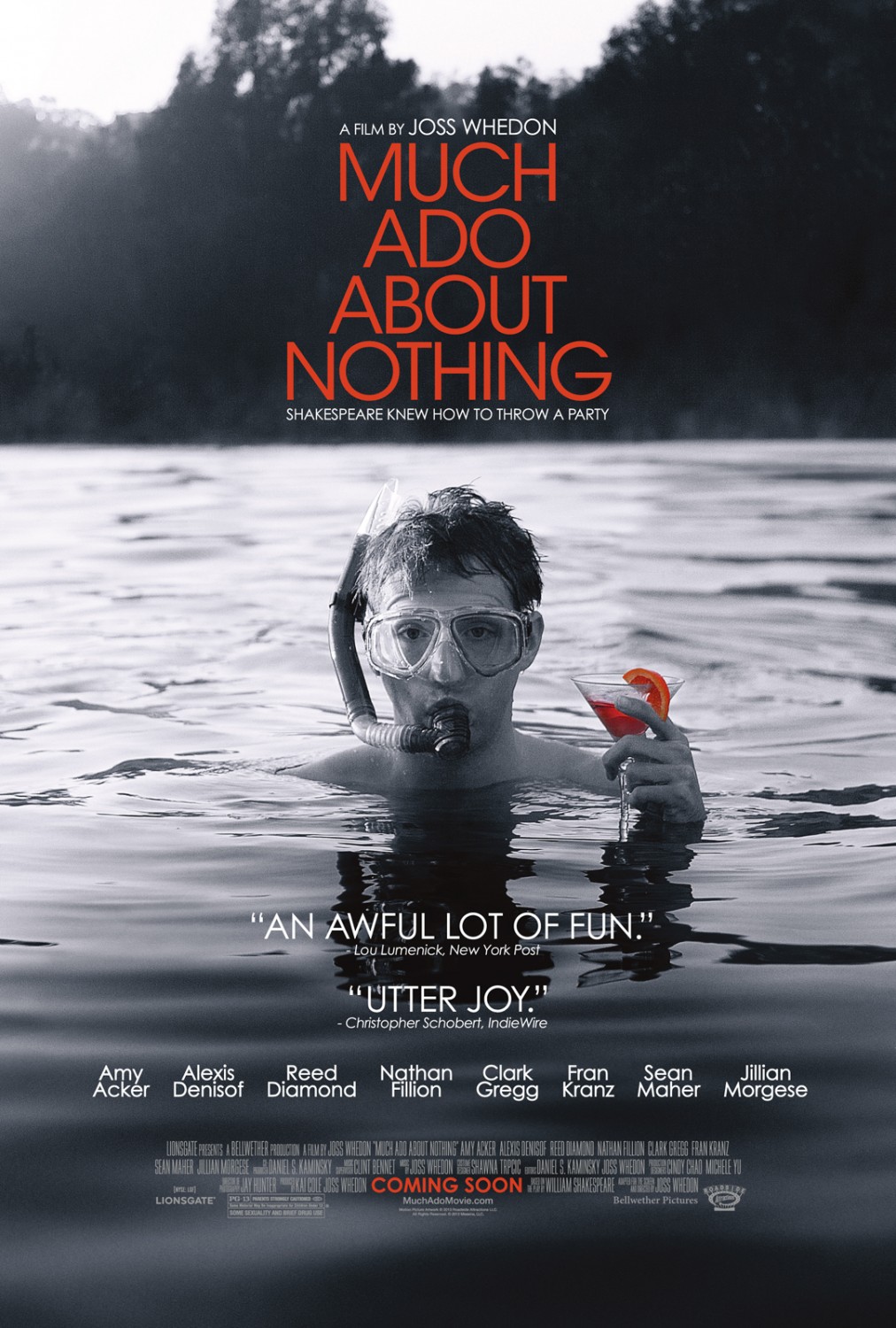 Thank heaven, then, for Joss Whedon and for a tiny little project he threw together in his spare time whole he was in the editing room for The Avengers. Shot in only 12 days, at his own Los Angeles house, Much Ado About Nothing is so full of life and fun that it simply floated past me. I once appeared in a student production of the play so I am very fond of it, a fondness which has been rekindled into a full-blown love affair thanks to this version. Who says Americans can’t do Shakespeare? Nonsense. And who says a bunch of not-so-well-known American television actors can’t do really act? Even more nonsense. One of the highlights of my year, this.
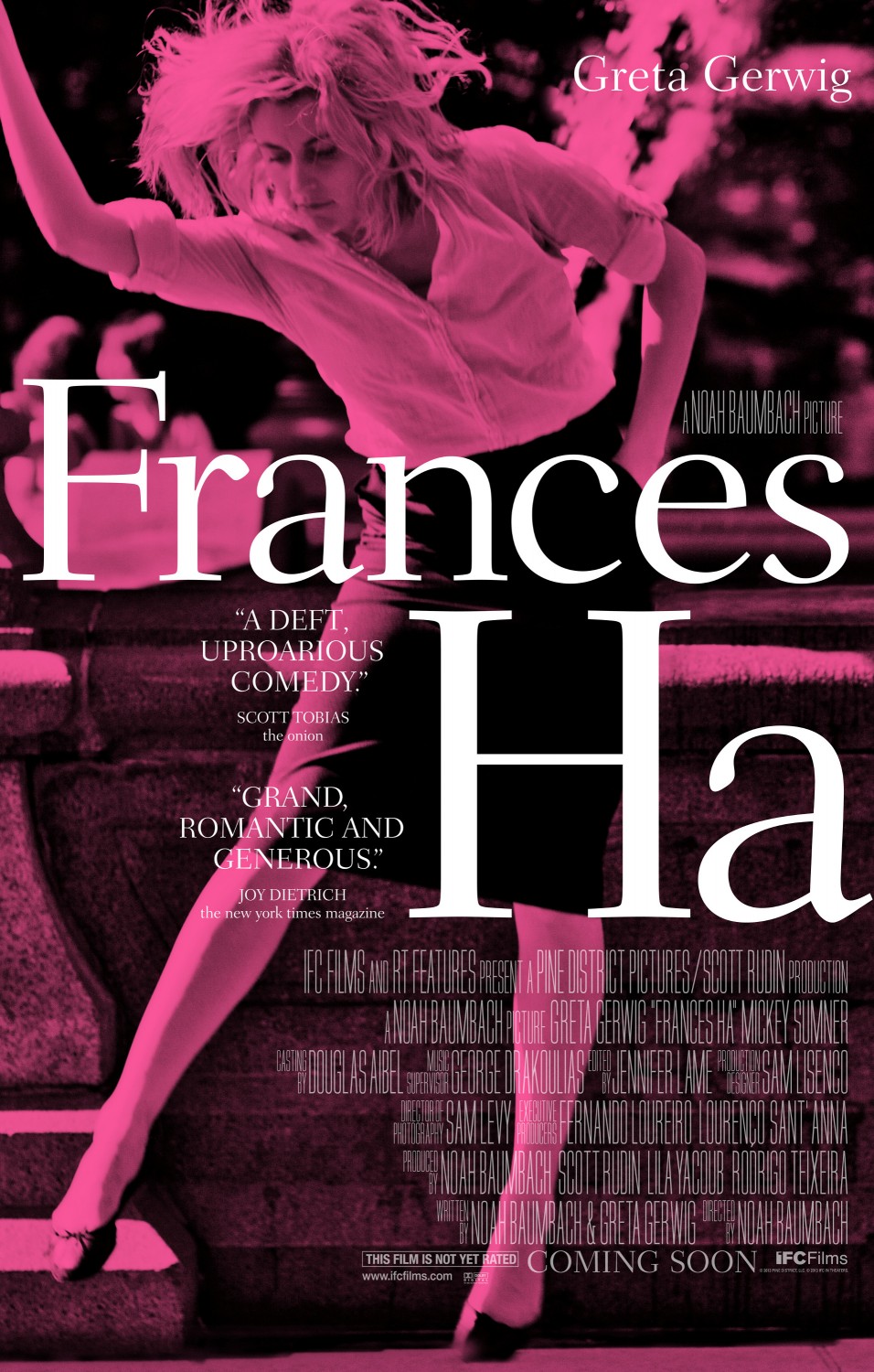 Whedon has said that he chose to shoot Much Ado in black and white for budget reasons – it’s easier to hide the fact that there wasn’t much in the way of production or costume design when colours don’t have to match – and I wonder whether that contributed to the similar choice made for Noah Baumbach and Greta Gerwig’s Frances Ha. Maybe, maybe not. The black and white can’t help but remind you of another great New York story, Allen’s Manhattan, but it – and the choice of Delerue’s music – also harks back to the French New Wave and the film tries to be similarly light on its feet.
Gerwig plays Frances, 20-something Manhattanite, still upbeat about her prospects as a dancer and citizen of the city that never sleeps despite the growing evidence that she doesn’t actually have what it takes. If you can make it there, you can make it anywhere, the song tells us, but what do you do if you can’t?
I’m not sure how generally applicable her story is – I’ve heard anything in a range from “quite” to “very” – but it certainly works specifically and Gerwig (co-writer) simply owns one of the great New York characters. It’s over a year since I saw Frances Ha, considered it a bit disposable at first, but moments keep coming back to me – there’s not many films I can say that about.