New-ish at the Movies: The Great Gatsby, Bekas, Fast & Furious 6 and The Last Sentence
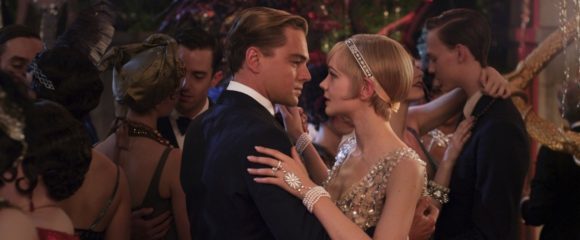
For all the digital glitter and anachronistic hip-hoppery that signifies our latest re-entry into Luhrman-land, The Great Gatsby itself takes fundamental inspiration from a black and white classic from 1941. Featuring a flashback framing device, a lonely and heartsick tycoon staring out of the window of a grotesque castle, and even a breathless deathbed “Daisy” uttered as if it summed up an entire life (like “Rosebud”), Gatsby is no less than Baz Luhrman’s Citizen Kane. Even his star, Leonardo DiCaprio is starting to resemble a Wellesian hero, at least in the jowels if not the girth.
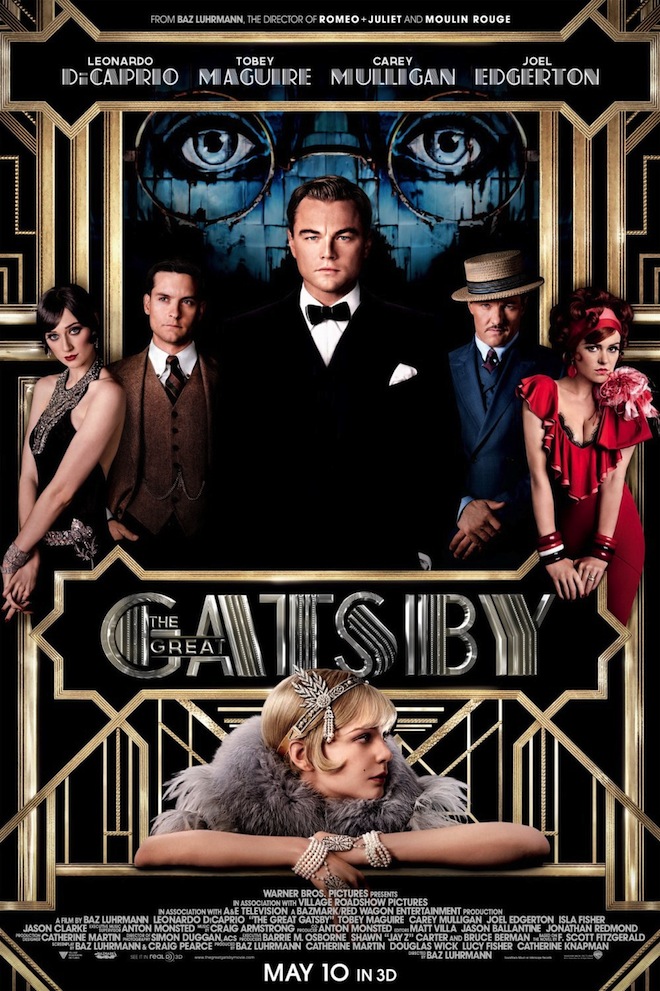 So, no pressure, then, Baz – you’re only merging the great American novel and the greatest movie of all time. Of course, he can’t possibly succeed on his own unimaginably ambitious terms, but he falls a bit short on the basic “tell a story” level too – even if he manages to make some sequences sing.
Set in 1922 (and written by F. Scott Fitzgerald in 1925, well before the Jazz Age came crashing down into the Great Depression), Gatsby is the story of one man’s reinvention out of the trauma of World War One and into the longest, biggest (and most illegal) party the world had ever seen.
[pullquote]Fast & Furious is vast and curious[/pullquote]DiCaprio’s Gatsby has built a business empire out of the drug stores and speakeasies of Manhattan and a Xanadu on the shores of Long Island, all the while gazing longingly across the water at the house where Daisy Buchanan (Carey Mulligan) lives. Daisy is the last piece of his puzzle, she will make him whole and she will help him gain acceptance into the high society that scorns his dubiously-earned new money. He may also genuinely be in love with her, of course.
Narrated from an alcoholic asylum by once-promising writer and Gatsby-confidante Nick Carraway (Tobey Maguire), the film thrusts us into the glamorous milieu, attempting to dazzle the audience as Carraway is dazzled by Gatsby’s charm. Noisy, impetuous, boisterous, the film suffers from Luhrman’s usual ADHD direction. It’s as if he can’t bring himself to just let the camera be – we’re always moving and everything in front of the camera is always moving. There’s no chance for the emotional content to brew – Baz has to keep stirring.
Personally, I’m not too bothered at the liberties taken with the original story (indeed, a little less reliance on narration and Fitzgerald’s prose might have helped the film find its own voice), after all a film has to find itself out of the source material not become a set of audio-visual students notes. My beef with Gatsby is that I found myself not really caring – and wondering why Carraway cared so much, so much that his own life collapsed into an alcoholic haze.
 Bekas is a semi-autobiographical tale inspired by writer-director Karzan Kader’s escape from Saddam’s Iraq after the first Gulf War.
Kurdish brothers Zana (Zamand Taha) and Dana (Sarwar Fazil) are orphaned and homeless, scraping a living out of shoe shines and their wits. A sneak peak at a Superman movie through a hole in the wall of the local fleapit inspires the boys to seek a new life in America – except neither of them knows where America is or how to get there. Ten-year-old Dana tries to buy passage across the border from a shady people-smuggler while younger Zana wins a donkey in a game of dice – which he immediately names Michael Jackson.
Lively and cute, the boys bicker loudly and often as they make their treacherous way across the desert, ignorant of the very real dangers they face until it’s too late. Spectacularly shot in the Kurdistan region of a still risky Iraq, your enjoyment of Bekas will depend on how endearing you find these kids. I adored them and really enjoyed the film.
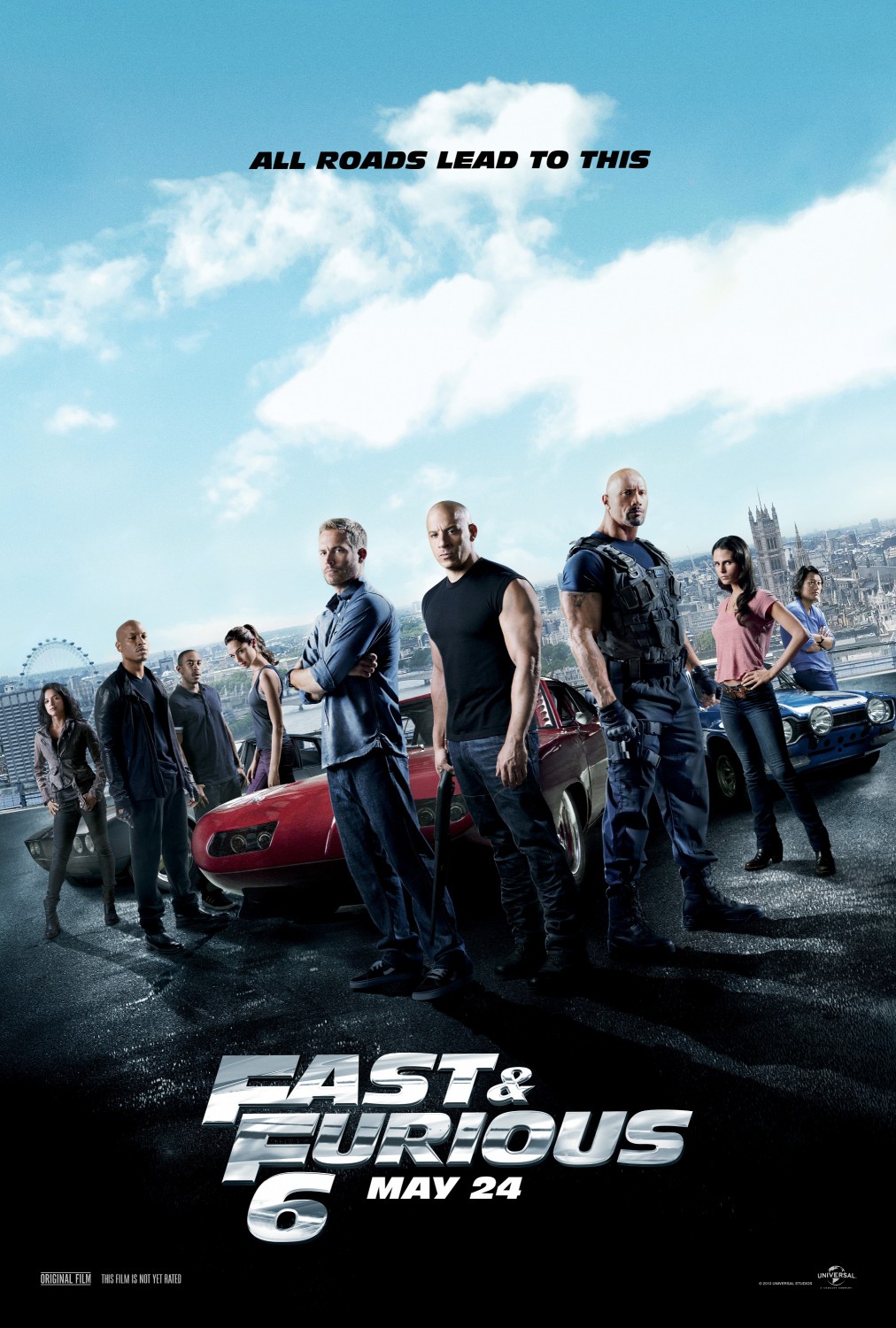 Fast & Furious is vast and curious – a franchise I eventually came to appreciate once I realised it is just as fantastical as any lycra and cape superhero movie, despite the blue collar setting. Five (Rio) was fun but Six takes them to London where the grey skies seem to suck a bit of the joie de vivre out of things. The crew – led by part-time movie stars Vin Diesel and Paul Walker – are in Blighty to take down a Welsh super-criminal (Luke Evans) with designs on a special piece of military kit known as “the component”.
As usual, they take time out for an illegal street race (down Whitehall and past Piccadilly Circus, as you do) but the most unfathomable section is the final confrontation as they try and stop the villain’s escape from the word’s longest airport runway. Silly fun, and mostly setting up the next episode in the series.
 The Last Sentence is an entirely respectable – if slightly morose – drama about the one Swedish newspaper editor who stood up to Hitler in the years before and during WWII. Jesper Christensen (the Quantum Organisation villain from Casino Royale who, incidentally, is still at large) plays Torgny Segerstedt, a lapsed theologian with a somewhat complicated home life. The film implies that his implacable opposition to Nazism – he seems to know an awful lot about what they are going to do – is down to his romantic relationship with the Jewish wife of his paper’s owner.
That’s as maybe, but he rails unsuccessfully against Herr Hitler for more than 12 years, failing to shake Sweden’s self-defensive neutrality. Handsome black and white photography and decent performances notwithstanding, I’m not sure quite why we in 21st century New Zealand are supposed to be interested in this man. Two hours later, I still don’t know.
[Cross-posted to Funerals & Snakes]