

Review: Grifted & Talented
Reviewed by Bethany Miller Firstly, what a brilliant premise for a comedy game show. Being one of those “gifted” kids, I was taken by the name from the start – the nostalgia of a school programme for unconventional thinkers that I realise now were probably all the oddballs and undiagnosed neurospicy types. Honestly, a lot […]
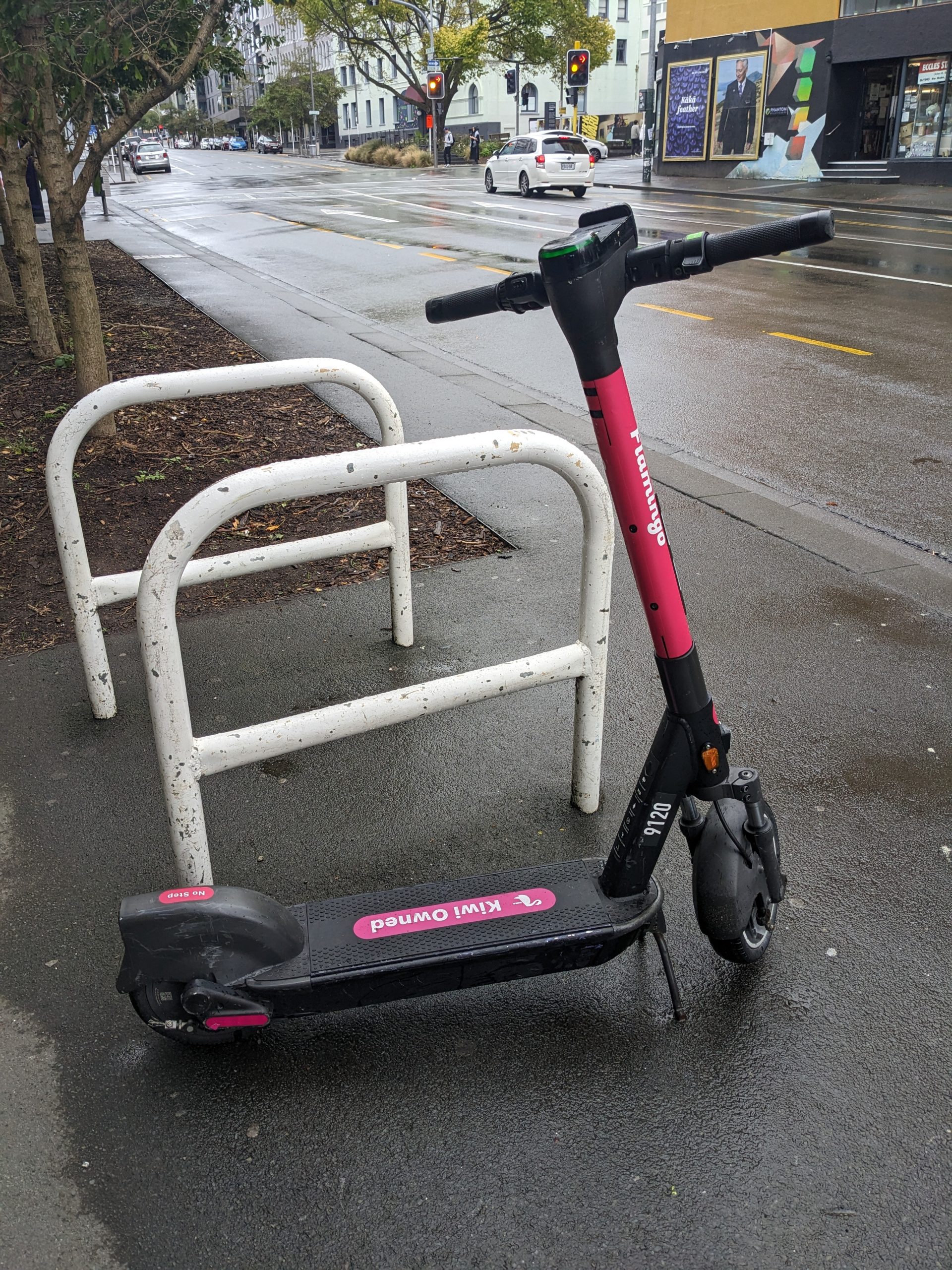
Ten Years in Pōneke Part Four – Throwing Down the Escooter Gauntlet
Or, how far can you travel on a Flamingo before it dies on you? A Pōneke Easter Experiment. Do not try this at home. It’s not wholly dangerous, but it is a little foolhardy. Mostly it’s just time consuming and will make your legs ache. I’ve been scooting ever since I was a kid. I […]
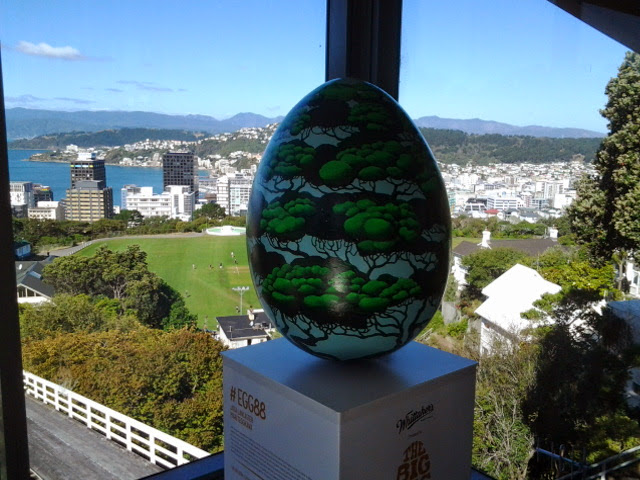
Ten Years in Pōneke – Part Three (AN EGG HUNT RETROSPECTIVE)
One of the first things that happened when I moved to Pōneke in 2015 was the Big Egg Hunt. From March to April 2015 100 giant eggs were hidden around Wellington, Auckland and Christchurch, with the eggs being auctioned off to fundraise for Starship at the end of the quest. I love a little quest, […]
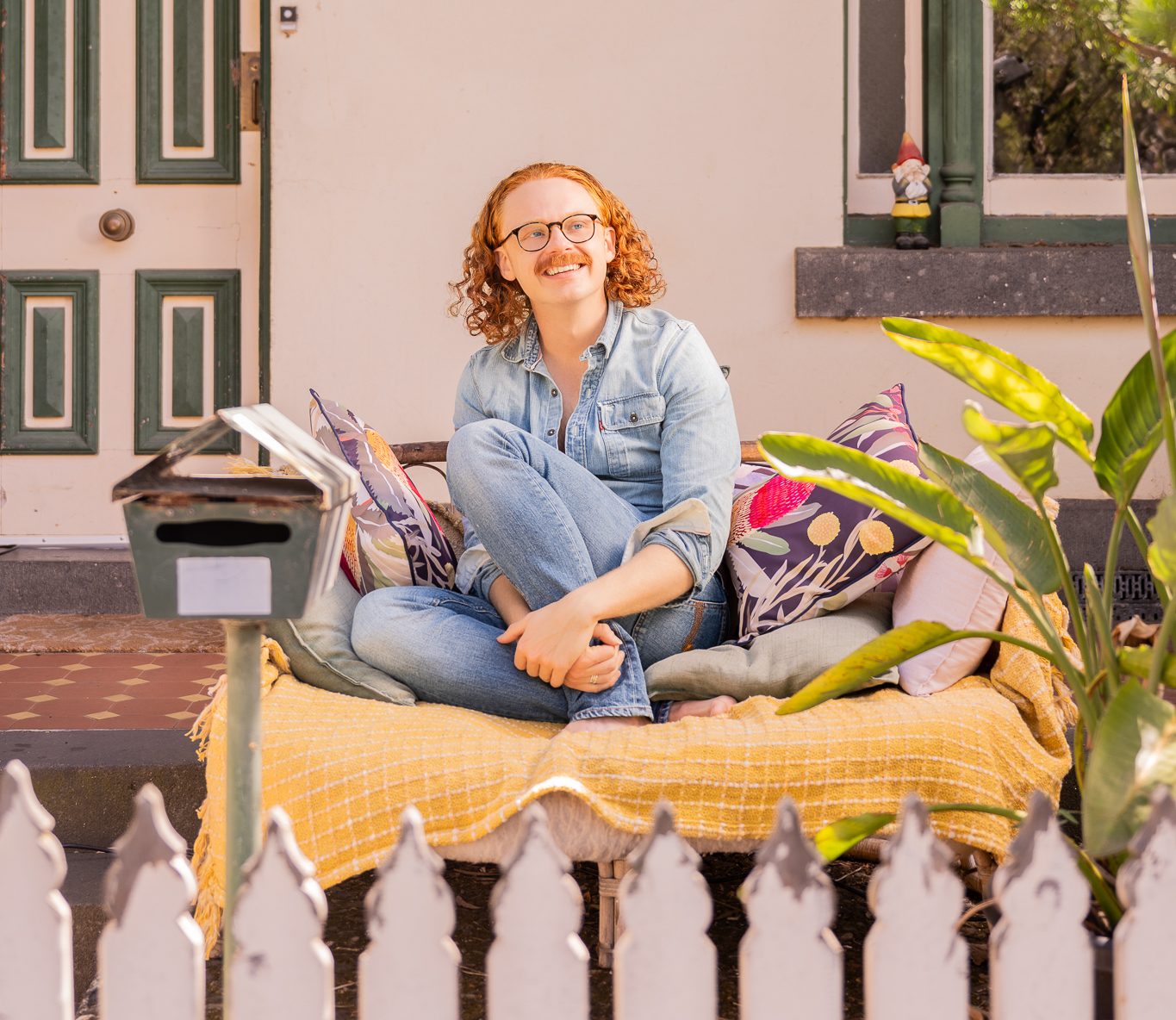
Review: Everything That Happened at Number 68
Have you ever considered flatting in Melbourne? Wondered what to look for in a flatmate? What are the red flags, green flags, rainbow flags to look for? Grab a tea and a blanket and cosy up for Nick Robertson’s Fringe Festival adventure, Everything That Happened at Number 68. As Nick shares with us, “Sharehouses come […]
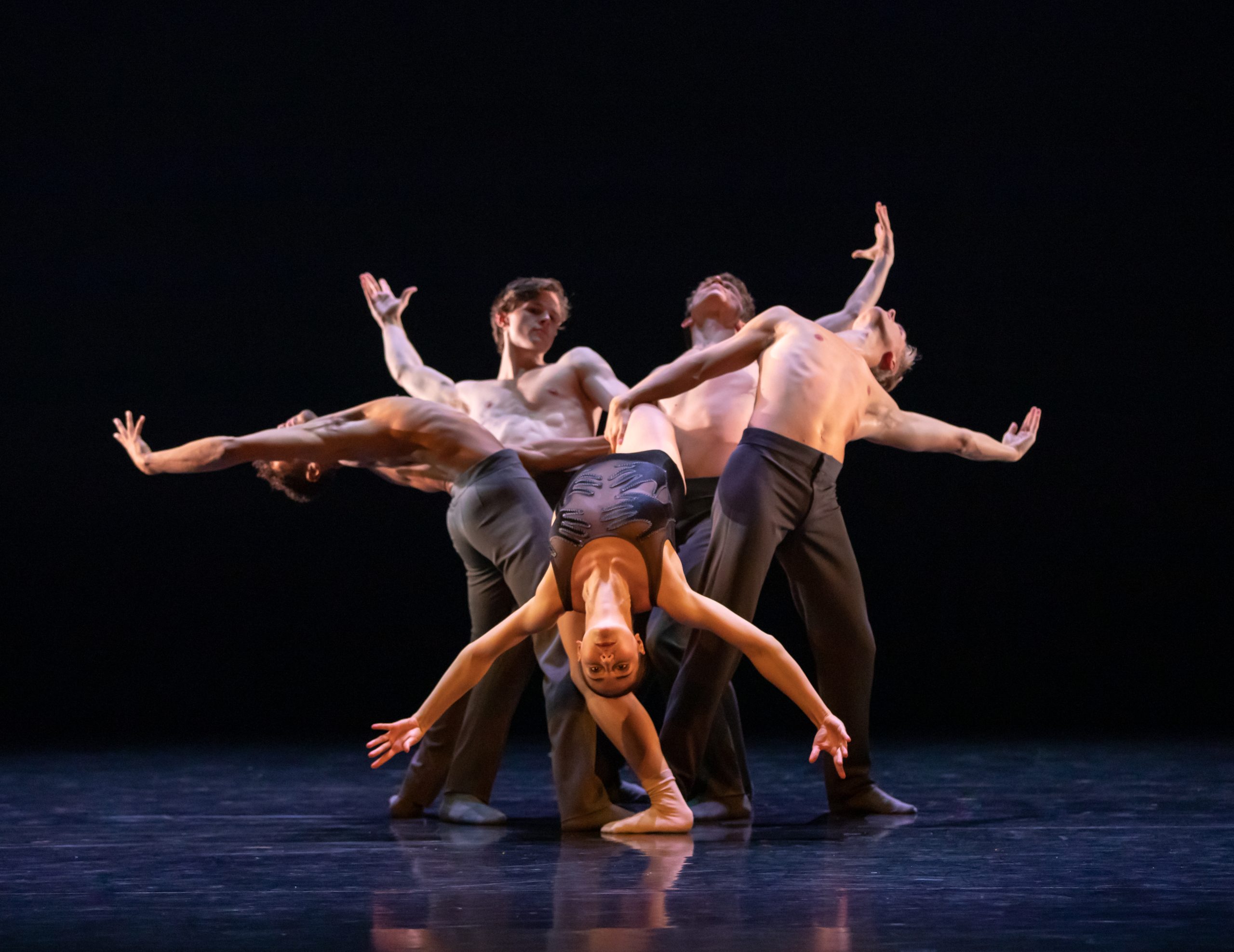
A Once in a Lifetime Ballet Treat this Friday & Saturday
For the first time in fifty years, the Scottish Ballet visits Aotearoa for a dream collaboration. This Friday and Saturday in Pōneke only, the RNZB and the Scottish Ballet will share the stage to present four gorgeous works. Dextera (Scottish Ballet) commissioned to celebrate the Scottish Ballet’s 50th Anniversary in 2019, is created by Franco-British […]
It’s time for the Wellington Pride Festival
Wellington Pride Festival is happening from 7 – 23 March this year and it’s time to get excited! The first Pride celebrations in Te Whanganui-ā-Tara were organised as part of campaigning for Homosexual Law Reform in 1986, and honestly you only have to read the Facebook comments (don’t read the Facebook comments) to see exactly […]
Ten Years in Pōneke – Part 2 (a very long walk)
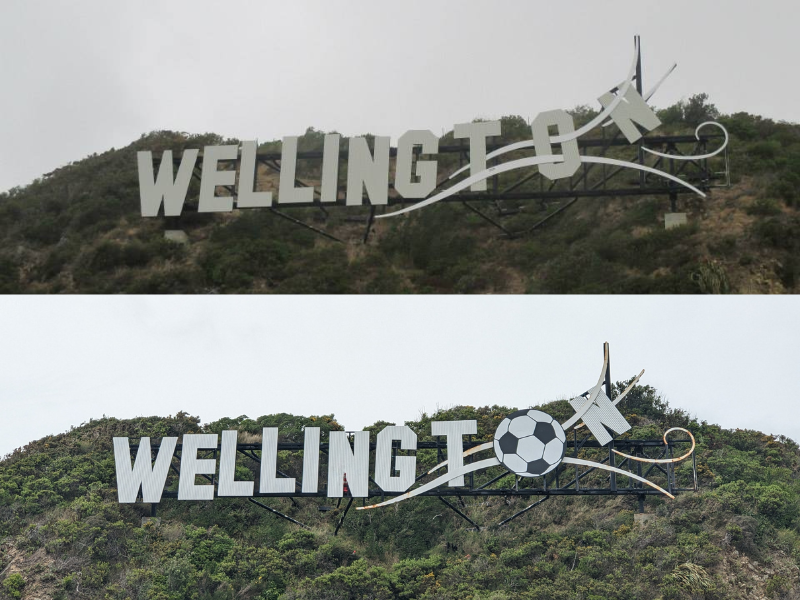
In 2015 I was living at Weir House. It was my first year of study and the first time I’d spent any longer than two weeks away from my parents. I was mooning over a girl who didn’t like me back, bad at being a person and making connections and pretty sure I wasn’t into […]
10 Years in Pōneke – Part One!
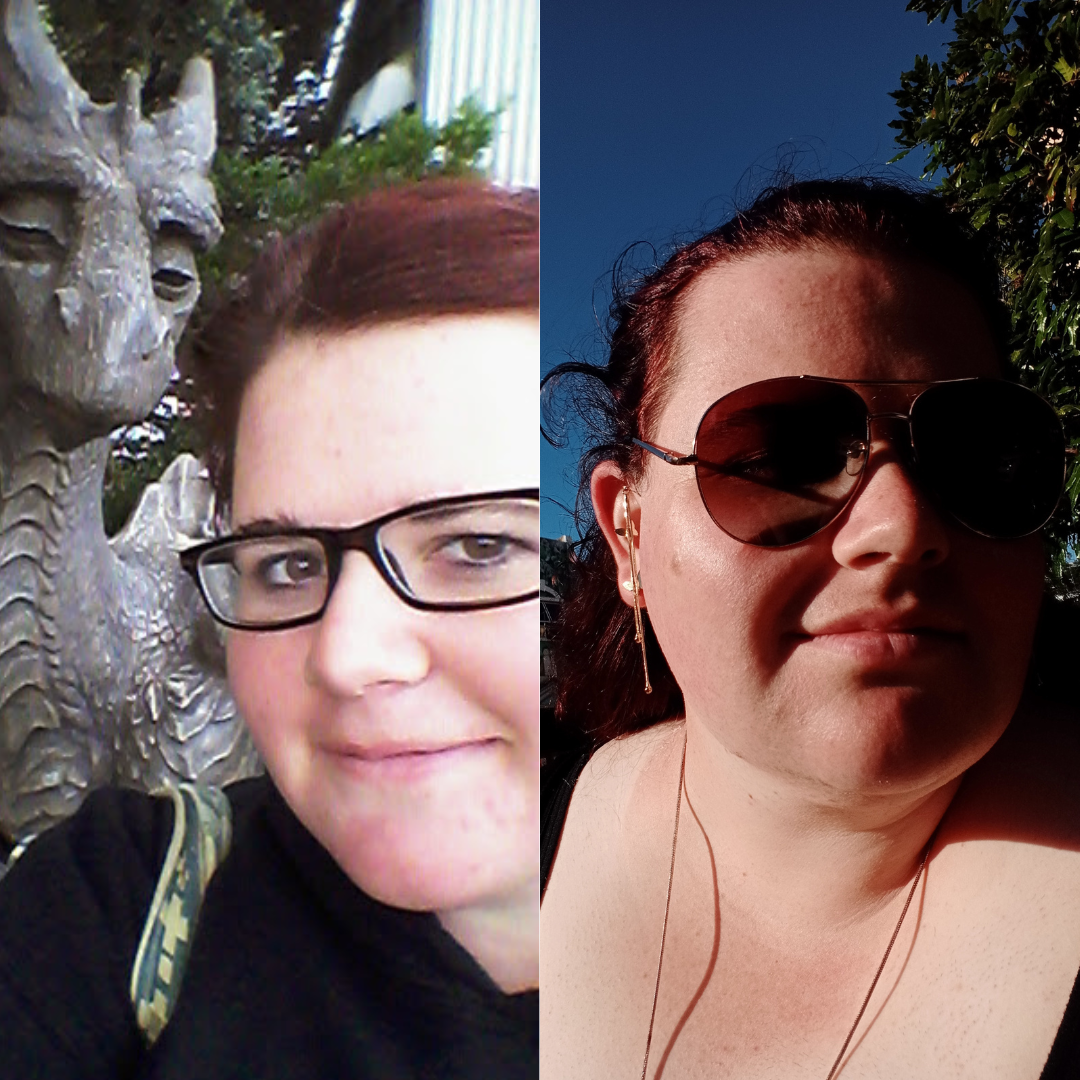
I’ve been living in Pōneke for ten years this February, and honestly – I can barely believe it. It certainly doesn’t feel like ten years have passed since I was left to fend for myself at Weir House, ready for my first year at university – but somehow, the time has passed and here we […]

Review: Triple Double Trouble
Review by Nicole Winters Triple Double Trouble is a hilarious and engaging show, and truly made us care about the characters. With a rotating cast of doubles – today’s show is made up of Jonathan Mandeno & Thomas Bauer, Sarah Ashill & Tony Yuile – each night gives you something different. During our show, each […]
Review: Thank You Ten
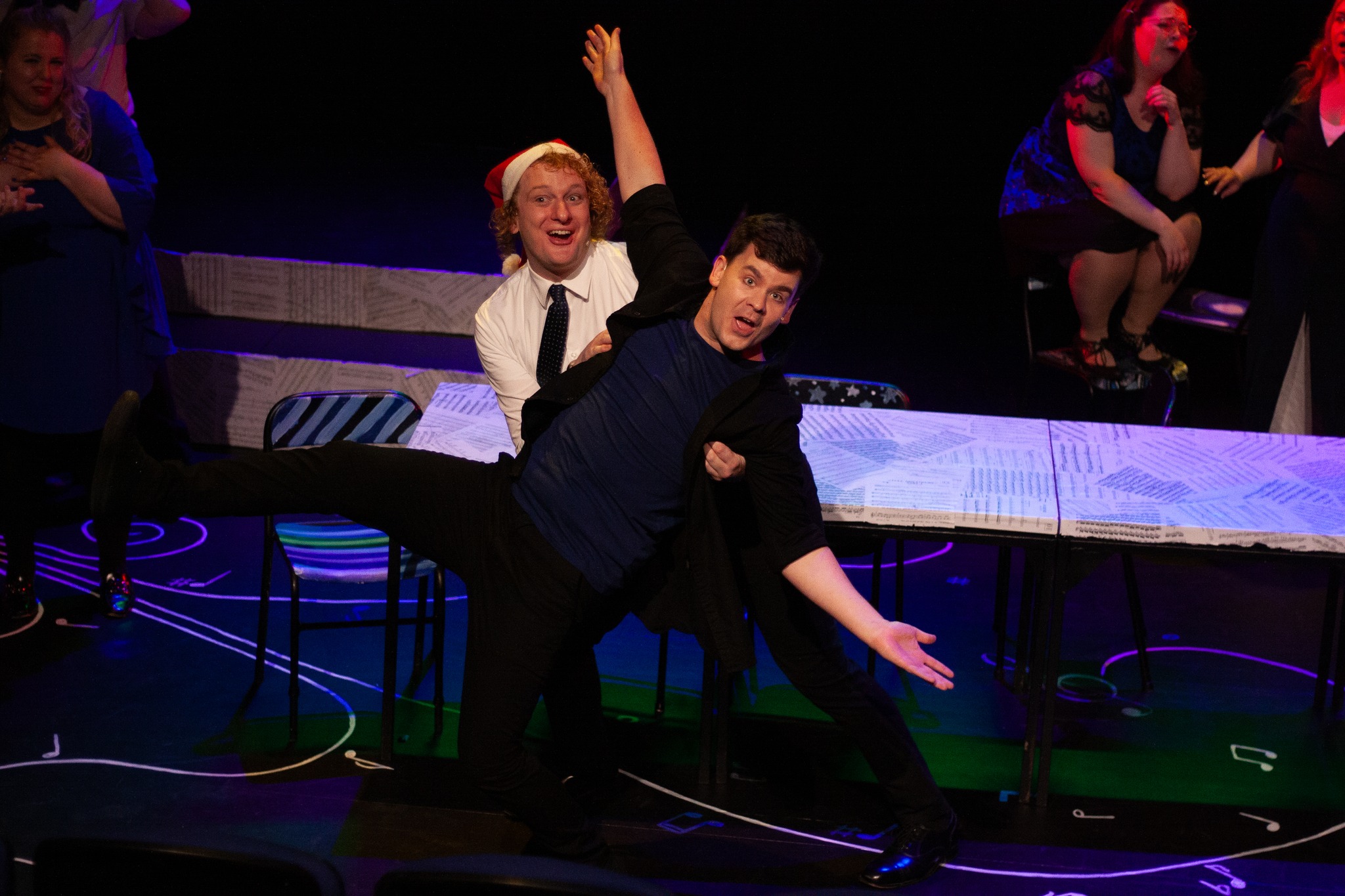
Review by Felicity Cozens Love musicals? Love Footlights? Want a journey through every show they’ve done since 2014? Book through Ticketbooth and get down to Te Auaha on Dixon for a typically fabulous Footlights show! Laura Gardner’s set is deceptively simple – a raised dais and a set of stairs topped by a platform – […]